Most of the year's rain in coastal Orange County falls between November and March. Most chimney leaks get noticed in the same months, usually during the second or third storm, when the water has had time to work through the brick. And most owners then wait for the leak repair until the weather dries out, because nobody wants a crew on a wet roof. The result is a leak that gets fixed in spring, or forgotten by summer and rediscovered next January.
For owners in Laguna Woods there is a better rhythm: trace the leak while you still remember where the water showed, then repair it in the dry months, when concrete, mortar and sealers all cure properly. This post covers what leaks, what each repair costs, and why the calendar matters as much as the repair.
Where the water comes in
A chimney sticks up through the roof and takes rain from every side. The water can get in at four places, often more than one at once:
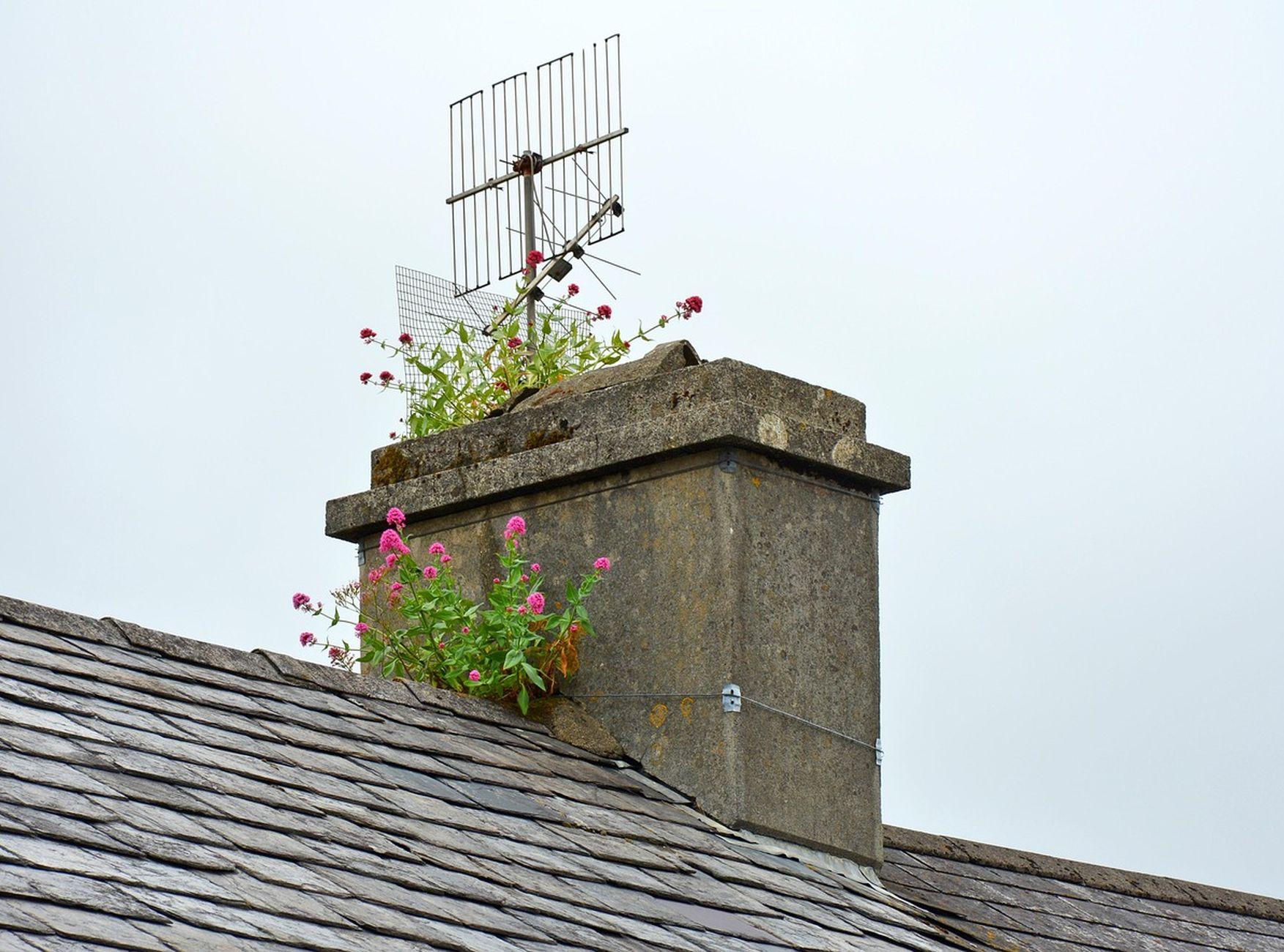
- The top. The concrete slab over the brick cracks with years of sun and cold nights, and rain runs down into the core of the stack.
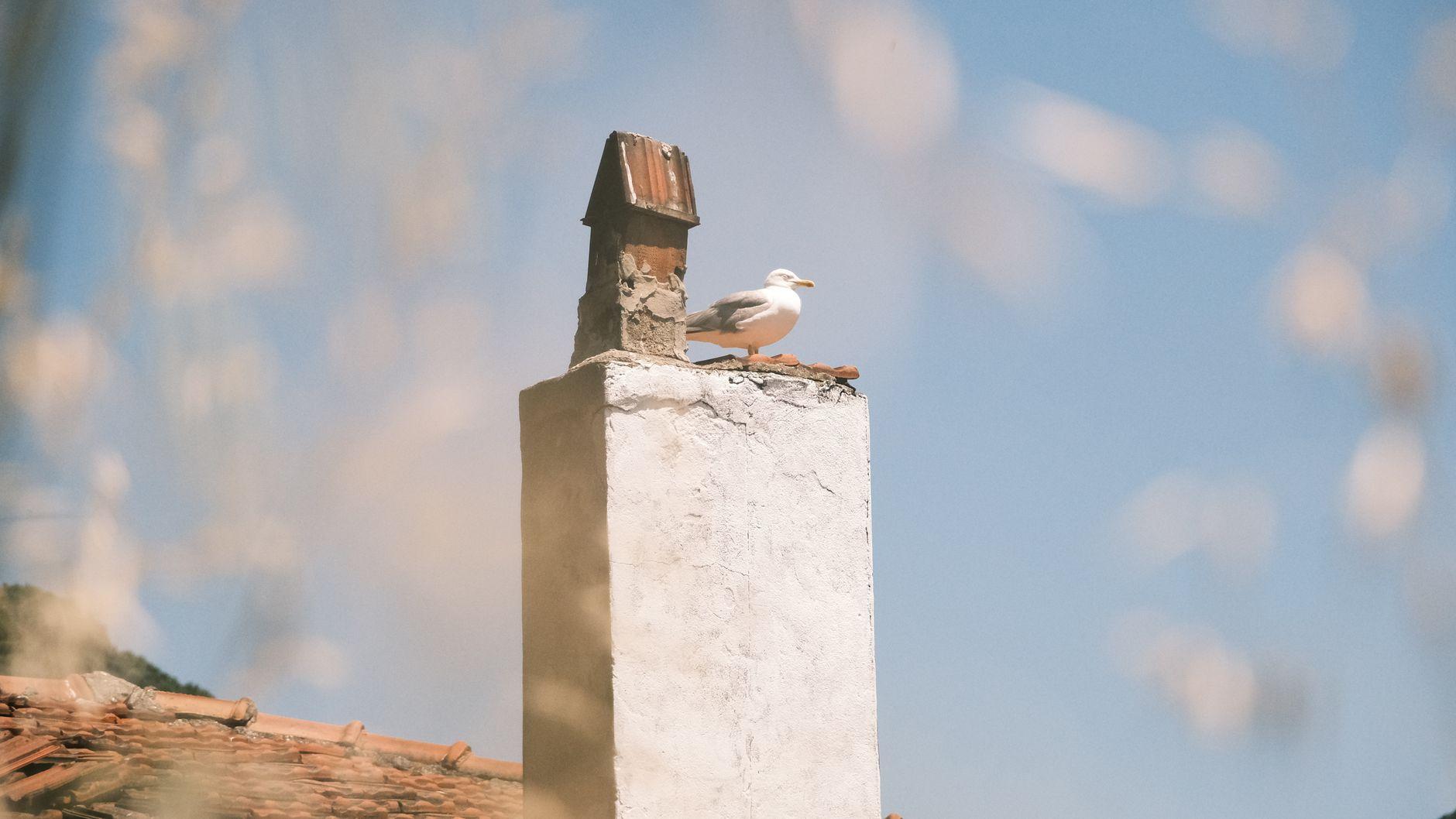
- The flue opening. With nothing over it, the flue takes rain straight in, along with leaves and birds.
- The roof joint. The metal that seals the gap between brick and roofing lifts, rusts or was never cut into the mortar in the first place.
- The brick itself. Old brick and worn joints soak up water like a sponge during a long storm, then release it inside.
On a framed chimney clad in stucco or siding, the top is a metal lid rather than concrete, and a lid that has rusted or sagged lets water into the wood box beneath it.
Why the dry months suit the repair
New concrete on a chimney top needs to cure slowly, without rain sitting on it. Fresh mortar in brick joints needs the same. Masonry sealer needs dry brick to soak into; applied to wet brick it sits on the surface and does little. And a roof crew working on dry tile breaks fewer tiles and finishes sooner. Every one of those points to May through September.
Tracing a leak is the exception. It works most reliably soon after the water shows, while you can still point to the stain. If the season has already turned dry, we bring water with us and wet one part of the chimney after another while someone inside looks for the first sign.
What the repairs cost
Where our price list has a figure, here it is. Labels are our own words for the jobs.
| Repair | Price |
|---|---|
| Finding a chimney leak and stopping it at the source | $540 to $3,200 |
| A cap fitted over the flue opening | quoted after we measure |
| A saddle built on the uphill side of a wide chimney so water parts around it | $430 to $970 |
| That saddle together with new flashing on every side | $645 to $1,600 |
| A camera inspection of the flue, if water has been running inside it | $375 |
Crown rebuilds, crack repair on a crown, water repellent on the brick, and new chase lids do not have a fixed figure on our list. Each one depends on the size of the chimney and what we find when we get there, so we measure first and send you a written price for that job alone.
The ranges are wide because chimneys differ. A short stack with one source of water sits at the low end. A tall chimney leaking from the top and the roof joint at once, on a steep tile roof, sits near the high end.
What decides your price
Three things decide where a leak repair lands: how many places the water is getting in, how tall the chimney is, and what the roof is made of. In the quote form, tell us where the stain appears indoors, during which storms it shows up, and whether the roof is tile or shingle. We reply with the visit we would book and what it costs, and once we have traced the source the repair price comes to you in writing before any work starts.
The visit
We start inside, where the water shows, and work outward. In the attic we look at the wood around the chimney for staining and soft spots. On the roof we check the top of the stack, the opening of each flue, the metal at the roof joint and the condition of the brick and joints. If more than one source is likely, the report ranks them, so you know which repair stops most of the water.
Our chimney leak repair page covers the tracing in more detail. The individual repairs have their own pages: crown repair, flashing repair, waterproofing, chase covers and chimney caps.
Leaks and the sweep visit
A spring sweep is a good moment to catch the early signs, because the crew is already on the roof. Rust streaks below the cap, white salt on the brick and a damp smell in the fireplace after rain all point to water getting in. If we see them during a sweep we note them, and you can plan the repair for the dry months rather than finding out in January.
Insurance and older leaks
If a leak has already damaged a ceiling or the framing, an insurer will want to know when it started and why. A dated report with photos taken before the repair helps that conversation. Our up-to-code repairs page covers what adjusters usually look at.
Plan it now
If last winter left a stain near your chimney, this summer is when to deal with it. Get in touch through the contact page with your Laguna Woods address and where the water showed, and we will arrange the visit while the roof is dry.
Put Your Fireplace on the Calendar
Peabody Chimney Care sweeps, cleans and inspects ahead of the cold months and moves repairs into spring, each one quoted in writing first. Our rounds cover Laguna Woods, Lake Forest, Laguna Niguel and Costa Mesa, with more towns listed on the areas page.